

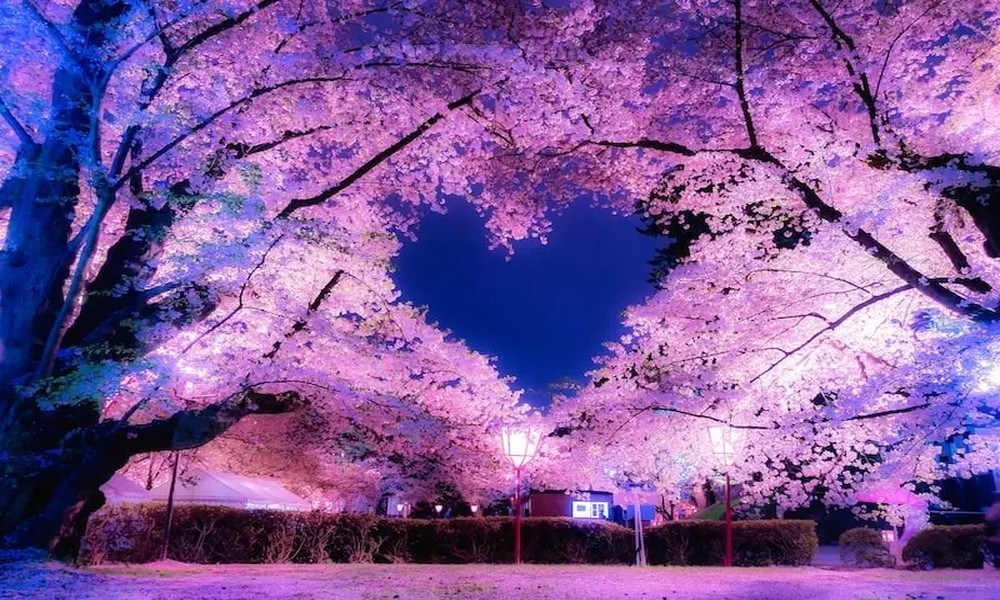
Cherry blossoms hold a special place in the human imagination. Few natural events draw so many travelers across continents for a few brief weeks each spring. The clouds of pale pink and white flowers signal renewal and fragility, plus the urgency of beauty that won’t last more than a week or two.
What makes cherry blossom watching so compelling is the impermanence. The peak bloom in any one place lasts only seven to ten days. Miss the window by a week in either direction and the trees are either bare branches or green leaves. The chase becomes part of the experience.
Why the Bloom Captivates
The cultural weight of cherry blossoms extends far beyond their visual appeal. In Japan, the concept of mono no aware, often translated as the pathos of things, ties directly to the cherry blossom tradition. The flowers represent the bittersweet awareness that beautiful things pass. Watching the petals fall is part of the appreciation rather than a sadness to avoid.
The actual experience justifies the philosophy. Standing under a canopy of blossoms while petals drift down around you produces a kind of quiet awe that photos can’t capture. The sound of the wind in the branches. The way the light filters through millions of small flowers. The crowds reduced to whispers in respect for what they’re seeing. It feels like being inside a painting.
Japan: The Original Destination
Japan remains the spiritual home of cherry blossom watching. The tradition of hanami, or flower viewing, dates back more than a thousand years. The Japan Meteorological Corporation issues detailed bloom forecasts each spring. Schools and offices adjust schedules around the predicted dates.
A Japan cruise during the bloom season offers a unique advantage. The southern islands bloom first in late March. The trees in Tokyo follow about a week later. Northern Hokkaido doesn’t bloom until early May. A multi-port itinerary can intercept peak bloom in different locations across a single trip rather than betting everything on a single city.
Famous viewing spots include Tokyo’s Ueno Park and Kyoto’s Philosopher’s Path. Hirosaki Castle in the north draws huge crowds during its festival week. Mount Yoshino south of Osaka covers an entire mountainside in pink for two weeks each spring.
Each location has its own character. Ueno offers urban crowd-watching mixed with picnic blankets under the trees. Philosopher’s Path is a long stone walkway along a small canal with trees overhanging the water. Hirosaki frames the blossoms against a traditional castle and moat. Yoshino offers something closer to forest immersion.
Other Asian Destinations
South Korea has its own active cherry blossom tradition. The bloom typically peaks from late March through early April. Jinhae hosts the country’s largest cherry blossom festival each year. Seoul’s Yeouido Park and the Jamsil area draw substantial crowds during peak weeks.
China has remarkable spots that receive less attention from international travelers. The cherry trees at Wuhan University have become a destination in their own right. Shanghai’s Gucun Park hosts blooms across an enormous area each spring.
Taiwan’s high-elevation gardens host cherry trees that bloom from January through March depending on the species and altitude. Alishan and Wuling Farm are two of the more accessible destinations for visitors who want to see blossoms without the largest crowds.
North American Spots
Washington D.C. holds the largest cherry blossom event outside Asia. The Tidal Basin trees were gifted by Japan in 1912. Peak bloom typically falls between mid-March and mid-April depending on the year. The National Cherry Blossom Festival runs for several weeks around peak.
Vancouver’s cherry blossom display is one of the underrated treasures of the Pacific Northwest. The city has more than forty thousand cherry trees planted across various neighborhoods. The Vancouver Cherry Blossom Festival runs for a month each spring. Stanley Park and Queen Elizabeth Park both offer particularly beautiful viewing.
San Francisco’s Japanese Tea Garden and Macon, Georgia, are both worth considering for spring cherry blossom trips closer to home. Macon hosts the largest cherry blossom festival in the United States by tree count, with more than 350,000 Yoshino cherries planted across the city.
European Cherry Blossoms
Europe’s cherry blossom scene has grown rapidly in popularity. Germany’s Bonn has a stretch of road known as the Cherry Blossom Avenue that becomes a tunnel of pink flowers each April. Amsterdam’s Bloesempark hosts several hundred Japanese cherry trees that draw photographers from across Europe. Stockholm’s Kungsträdgården park puts on a beautiful show each spring once temperatures finally warm.
Paris and London both have cherry blossom enthusiasts who track local trees and share photos online. The Versailles gardens host beautiful pink and white blossoms each spring. Greenwich Park in London offers viewing along with city skyline backdrops.
Timing the Trip
Cherry blossom forecasts are reliable within a few days but rarely beyond that. The bloom depends heavily on temperatures in the preceding weeks. A warm February or March can pull bloom earlier. A cold spring can delay it by a week or more.
Book accommodation flexibility into your plans if possible. Hotels in major bloom destinations sell out months in advance. Refundable rates cost more but allow you to adjust your dates if forecasts shift. Travel insurance also makes sense for any trip planned around a specific natural event.
Consider the shoulder days at peak bloom. The day before full bloom often offers the same beauty with smaller crowds. The day after full bloom shows the start of the petal fall, which has its own visual character with petals drifting in the air and accumulating on the ground.
Photographing the Bloom
Soft morning or evening light works best for cherry blossom photography. Harsh midday sun washes out the pale pink colors and creates difficult shadows. Overcast skies actually flatter the blossoms beautifully.
Get close. The temptation is always to capture entire trees, but the best shots often include just a few branches in detail. Look for petals that have just fallen on dark surfaces for a striking contrast.
Include a human element when possible. A person in a traditional kimono on a bridge. A child reaching up toward low branches. An older couple sharing a quiet moment under the trees. These details transform a flower photo into something more memorable.
Make the Trip Worth the Effort
Cherry blossom travel is a chase. The window is narrow. The weather is unpredictable. The crowds can be enormous in popular spots. Despite all that, the experience reliably becomes one of the most memorable trips travelers ever take.
Plan ahead. Stay flexible. Get to the trees early in the morning when crowds are smaller. Stay late into the evening when the light turns golden. The brief season rewards travelers who structure their days around the bloom rather than fitting blossoms in around other plans.