

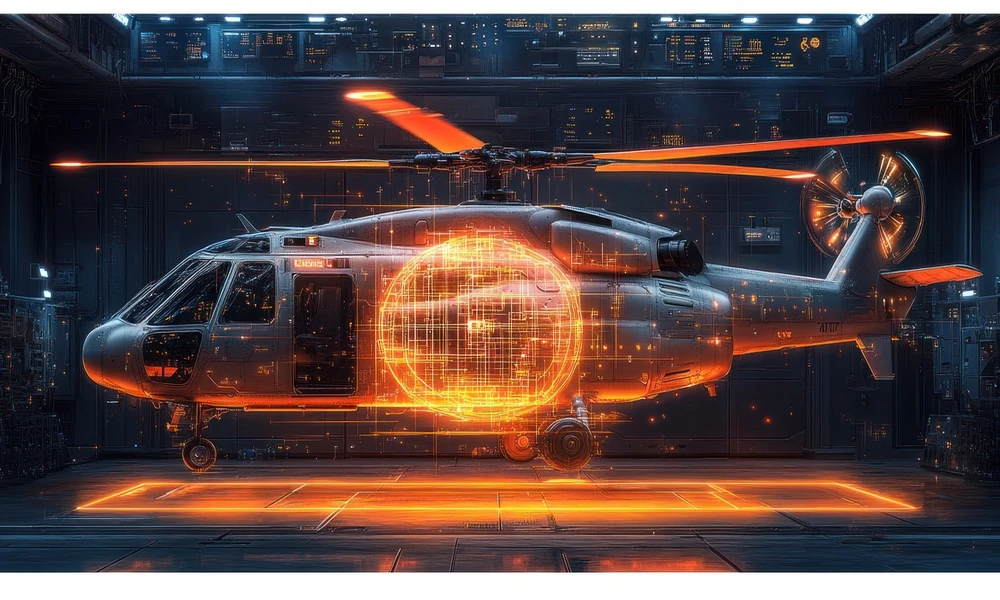
Most people identify the windshield or rotor blades as a helicopter’s weak points. Almost nobody says the floor. Yet in a war zone or a hostile rescue, the floor might be the most exposed part of the entire aircraft. And the reason is pretty basic. A lot of the danger comes from straight below.
Trouble From Below
When a helicopter flies low, shooting starts from the ground. Bullets, blast fragments, and shrapnel move upward. So the belly and the floor catch the first wave. Everything else on the aircraft sits behind those hits. Now think about who rides above that floor. The crew. Soldiers. Injured people strapped onto litters during a medical flight. A round that slips through thin metal has an easy path to every one of them. The floor becomes a target with no one really planning it that way.
The Weight Problem
Helicopters live and die by weight. Add too many pounds and you lose speed, fuel range, and lift. So engineers trim wherever they can, and the floor is an obvious place to shave material. Thinner floor, lighter aircraft. That math makes sense until somebody starts firing. And floors are sneaky in another way. You cannot see them. A thick windshield looks tough, so it gets noticed and praised. Floor armor hides under everyone’s boots. Out of sight, easy to forget. Hostile fire never forgets, though. It hunts for the softest way in.
What You Stand to Lose
Peek under the cabin deck, and you will find the stuff that keeps a helicopter alive. Fuel lines run through there. So do hydraulic systems and the wiring that ties the whole machine together. One bullet in the wrong spot can shut any of that down in a heartbeat. Suddenly the mission is over, and the trip home is in doubt. People are the bigger stake. Pilots, crew members, troops, patients. They all trust the deck under their feet without ever thinking about it. During a rescue, someone is already hurt and running out of time. A floor that stops nothing only makes a bad situation worse. A strong one buys precious seconds.
A Smarter Kind of Shield
Fixing a weak floor without turning the helicopter into a boat anchor takes clever materials. Modern armor uses advanced composites to absorb threats while remaining lightweight. These panels slide into the floor and along the belly, putting protection right where trouble tries to enter. Picking the right maker changes everything here. LifePort has spent over three decades building ballistic protection systems for helicopters (lifeport.com/pages/ballistic-protection), and their floor and belly armor gives crews a genuine edge without weighing the aircraft down. The panels are tested hard and hold up on tough missions.
Matching the Armor to the Job
Every flight faces its own set of risks. A search and rescue run over the ocean is a whole different animal than a troop drop into hostile ground. Good armor bends to fit. Sometimes it covers just the floor. Other times it wraps the entire lower cabin. The trick is balance. Put in enough shielding to keep people breathing. Keep it light enough that the aircraft stays quick and easy to fly. Nail that and you get a helicopter that can push into danger and still come back out the other side.
Conclusion
The floor is the quiet workhorse of any helicopter. It stands between the crew and whatever the ground throws up at them. Skip it, and you are betting with people’s lives. Protect it, and everybody on board gets a far better chance of walking away. Strong floors bring people home. That is the entire story.