

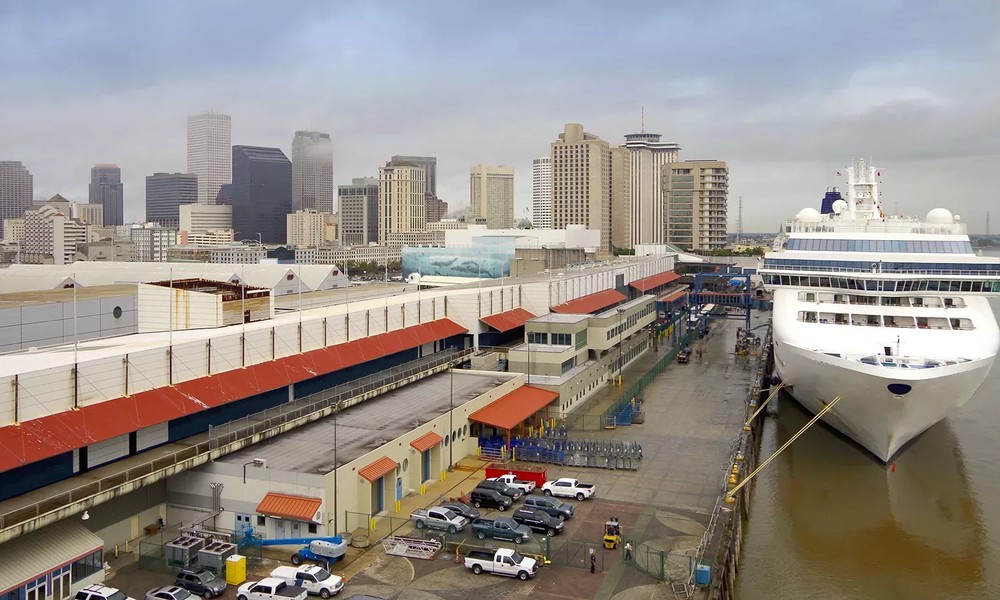
Global trade needs strong coastal hubs to survive. The southern waters provide the best paths for large ships. International logistics networks rely on steady river access to move heavy cargo. Maritime operations create vast economic ripples across multiple surrounding states. Regional development accelerates when modern shipping infrastructure meets natural deep water. The entire Gulf Coast area benefits from strategic location and smart governance. Now local industrial facilities are expanding rapidly to handle global market demands.
Driving Continental Supply Chains From the Coast
The lower Mississippi River serves as a vital shipping path. Huge cargo vessels navigate the winding river channels every single day. The maritime traffic remains highly dense throughout the entire year. Massive ocean carriers transport critical energy products to distant foreign markets. This essential water passage handles vast agricultural exports from the American heartland. Strategic logistics networks connect global shipping lanes directly to domestic buyers. The regional infrastructure supports rapid freight distribution across major inland territories. Barges transport bulk commodities smoothly through extensive national river networks.
Mapping the Critical Entrance to Inland Markets
A premier Louisiana port authority manages deep draft access very efficiently. This crucial maritime jurisdiction covers the first eighty one miles of river territory. The deep navigation channel extends from the open Gulf waters inland. Ocean going vessels move through these protected waters without facing height restrictions. The authorized fifty foot channel depth accommodates the largest modern cargo ships. Predictable vessel windows ensure fast cargo turns for international shipping lines. Global trade operations run smoothly because of these superior natural depth advantages. Carriers avoid costly delays by utilizing this highly dependable marine gateway.
Integrating Intermodal Freight Networks for Faster Turns
Modern logistics centers require seamless connections between water and land. Freight networks link deepwater terminals directly to major national highway systems. On dock rail facilities allow trains to receive cargo right at the berth. This direct intermodal transfer cuts out extra steps during distribution. Supply chain managers reduce total transit times by avoiding congested urban hubs. Third party logistics providers choose this location for its superior connectivity. The extensive transportation network reaches consumers across more than thirty different states. Cargo owners achieve highly predictable shipping schedules by utilizing these streamlined paths.
Supporting Vital Community Access and Daily Commutes
Maritime infrastructure provides great benefits to local residents and commuters. Public ferry operations offer crucial river crossings within Plaquemines Parish. The dependable vessel named Plaquemines Pride serves passengers every single day. This blue and white ferry provides continuous vehicle transport across the water. Commuters travel safely between Belle Chasse and Scarsdale throughout the week. The port authority oversees these essential daily transport services very carefully. Real time service updates keep the surrounding neighborhood informed about schedules. Safe pedestrian travel remains entirely free for local bicycle riders and walkers.